
Manual Spinal and Joint Mobilisation Therapy

  • Home
  • Therapies We Offer

Manual Spinal and Joint Mobilisation Therapy

Manual Therapy in Physiotherapy

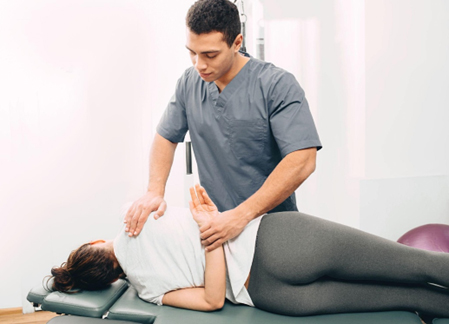
Manual Therapy is a specialized hands-on treatment technique used by trained physiotherapists to assess and treat problems involving muscles, joints, ligaments, fascia, and nerves. Using skilled hand movements and gentle pressure, the therapist helps restore normal mobility, reduce pain, relieve stiffness, and improve overall function.

Unlike machine-based treatments, manual therapy relies entirely on the therapist’s hands to mobilize joints, release tight muscles, stretch connective tissues, and improve blood circulation. It is one of the most effective and essential components of modern physiotherapy and is often combined with exercise therapy, posture correction, electrotherapy, and rehabilitation programs to achieve faster and longer-lasting results.

What Is Manual Therapy?

Manual therapy refers to evidence-based hands-on techniques designed to:

  • Reduce pain and muscle spasm
  • Improve joint mobility and flexibility
  • Release tight muscles and fascia
  • Enhance blood circulation
  • Release soft tissue restrictions
  • Decrease stiffness
  • Restore normal biomechanics (movement patterns)
  • Accelerate recovery after injury or surgery

For example, if your hip feels stiff, a physiotherapist may use joint mobilization and soft tissue techniques to improve flexibility and make walking easier and less painful.


Common Manual Therapy Techniques

Joint Mobilization

Gentle repetitive movements applied to a joint to improve range of motion and reduce stiffness.

Joint Manipulation

A quick, controlled thrust applied to a joint, often producing a clicking sound, to restore movement and relieve pain.

Muscle Energy Technique (MET)

Uses the patient's own muscle contractions against resistance to improve joint mobility and reduce tightness.

Myofascial Release

Targets fascia (connective tissue) to relieve restrictions and improve flexibility.

Soft Tissue Mobilization

Focused massage techniques used to release adhesions and improve muscle performance.

Trigger Point Therapy

Pressure applied to painful muscle knots to relieve referred pain.

Stretching Techniques

Guided stretching to lengthen muscles and restore flexibility

Traction

Gentle pulling of the spine or joints to reduce compression and improve movement.


Benefits of Manual Therapy

Manual therapy offers numerous therapeutic benefits:

  • Immediate pain relief
  • Reduced muscle tension and spasms
  • Improved joint mobility
  • Better posture and movement patterns
  • Increased blood circulation
  • Reduced swelling and inflammation
  • Faster tissue healing
  • Enhanced flexibility and range of motion.
  • Improved athletic performance
  • Prevention of future injuries
  • Faster return to daily activities and sports

Conditions Treated with Manual Therapy

Manual therapy is highly effective for treating:

Spine Conditions

  • Neck pain
  • Low Back Pain
  • Sciatica
  • Cervicogenic headache
  • Spinal Stenosis (selected cases)

Joint Conditions

  • Shoulder stiffness
  • Frozen Shoulder
  • Hip pain
  • Osteoarthritis
  • Knee pain

Sports Injuries

  • Tennis Elbow
  • Golfer's Elbow
  • IT band syndrome
  • Shin splints
  • Muscle strains

Foot and Ankle Problems

  • Plantar Fasciitis
  • Achilles Tendinopathy
  • Ankle sprains

Post-Surgical Rehabilitation

  • Total Knee Replacement recovery
  • Anterior Cruciate Ligament Reconstruction recovery
  • Shoulder Arthroscopy recovery
  • Fracture rehabilitation

Neurological Conditions

  • Stroke
  • Cerebral Palsy
  • Balance and gait disorders

Manual Therapy in Neurological Rehabilitation

In neurological conditions, manual therapy helps:

  • Reduce muscle tightness
  • Improve joint flexibility
  • Enhance balance and coordination
  • Promote better movement patterns
  • Support functional recovery

Techniques such as Proprioceptive Neuromuscular Facilitation (PNF) and Neurodevelopmental Treatment (NDT) help improve motor control, coordination, balance, and muscle function.


Manual Therapy After Surgery

Manual therapy plays an important role in post-surgical rehabilitation by helping:

  • Reduce pain and swelling
  • Improve circulation
  • Restore joint mobility
  • Prevent stiffness and scar tissue formation
  • Improve muscle activation
  • Enhance tissue healing
  • Speed up recovery and return to activity

It is commonly used after:

  • Joint replacement surgery
  • Arthroscopy
  • Ligament reconstruction
  • Fracture fixation surgery
  • Spine surgery
  • Tendon repair procedures

This is particularly beneficial after joint replacement, ligament reconstruction, and fracture fixation surgeries.


Contraindications (When Manual Therapy Should Be Avoided)

Manual therapy may not be suitable in cases of:

  • Recent fractures
  • Severe Osteoporosis
  • Bone infections
  • Active cancer involving bones
  • Acute inflammation
  • Severe joint instability
  • Cauda Equina Syndrome
  • Significant neurological compression
  • Vertebral artery insufficiency

A thorough assessment by a qualified physiotherapist is essential before treatment.


What to Expect During a Session

A typical manual therapy session includes:

  • Detailed assessment
  • Hands-on treatment
  • Stretching and movement correction
  • Customized exercise prescription
  • Posture and ergonomic advice

Each session usually lasts 30–60 minutes depending on the condition.


Is Manual Therapy Painful?

Most techniques are gentle and comfortable. Some patients may feel mild soreness afterward, similar to the sensation after exercise, which usually resolves within 24–48 hours.


Manual Therapy at ProHealth Bone & Joint Speciality Clinic

At ProHealth Bone & Joint Speciality Clinic, our expert physiotherapists use advanced manual therapy techniques as part of a comprehensive rehabilitation program. Whether you are recovering from surgery, suffering from chronic pain, or dealing with a sports injury, manual therapy can significantly improve your recovery and help you move pain-free.

Combined with exercise therapy, TECAR therapy, dry needling, and robotic balance training, manual therapy helps patients recover faster and return to active living.

Book Your Consultation

If you are experiencing pain, stiffness, or restricted movement, manual therapy can provide safe and effective relief.

Restore movement. Relieve pain. Recover naturally.