
Kinesio Taping

  • Home
  • Therapies We Offer

Kinesiotaping

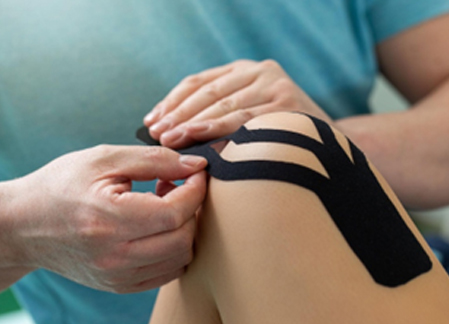
Kinesiology Taping Therapy (also called Kinesio Taping, K-Taping, or Elastic Therapeutic Taping) is a specialized physiotherapy technique in which a flexible, stretchable adhesive tape is applied to the skin to support muscles and joints while allowing full movement.

Unlike rigid sports tape, kinesiology tape does not restrict motion. Instead, it helps reduce pain, improve circulation, decrease swelling, and support the body’s natural healing process.

This technique is widely used by physiotherapists, sports medicine specialists, and rehabilitation professionals to treat musculoskeletal injuries, posture-related problems, and sports conditions.

How Does Kinesiology Tape Work?

Kinesiology tape is made of cotton and nylon fibers with a skin-friendly adhesive. It stretches similarly to human skin and can remain in place for 3–5 days, even during bathing and exercise.

When applied correctly, the tape gently lifts the skin, creating more space between the skin and underlying tissues. This may help:

  • Reduce pressure on pain receptors
  • Improve blood circulation
  • Enhance lymphatic drainage
  • Decrease swelling and inflammation
  • Support muscles and joints
  • Improve proprioception (body awareness)
  • Correct movement patterns and posture

Benefits of Kinesiology Taping

  • Pain relief
  • Reduced swelling and edema
  • Muscle support without restricting movement
  • Improved posture and alignment
  • Enhanced athletic performance
  • Faster recovery after injury
  • Better joint stability
  • Scar management

Common Types of Kinesiology Tape Applications

"I" Strip

Used for:

  • Pain relief
  • Acute injuries
  • Postural correction
  • Alignment support

"Y" Strip

Used for:

  • Surround and support muscles
  • Facilitate or inhibit muscle activity

"X" Strip

Used for muscles that change length significantly during movement, such as the rhomboids.

Fan or Web Pattern

Fan or Web Pattern

  • Reduce swelling and bruising
  • Improve lymphatic drainage

Donut Pattern

Used to:

  • Offload pressure around a painful or swollen area

Conditions Treated with Kinesiology Taping

Kinesiology taping is commonly used for:

  • Neck pain
  • Shoulder Impingement Syndrome
  • Tennis Elbow
  • Low back pain
  • Plantar Fasciitis
  • Patellofemoral Pain Syndrome
  • Iliotibial Band Syndrome
  • Achilles Tendinopathy
  • Ankle Instability
  • Hamstring and quadriceps strains
  • Postural dysfunction
  • Sports injuries
  • Scar management
  • Post-surgical rehabilitation

How Kinesiology Tape Is Applied

  • The skin is cleaned and dried.
  • Excess hair may be trimmed for better adhesion.
  • Tape is cut into the desired shape.
  • The tape is applied with specific tension and direction.
  • The tape is rubbed gently to activate the adhesive.

Application technique depends on the muscle, joint, and treatment goal. Proper assessment and application by a trained physiotherapist are important for best results.


How to Remove the Tape

  • Apply baby oil, lotion, or warm water to loosen the adhesive.
  • Peel the tape off slowly in the direction of hair growth.
  • Support the skin while removing.

Possible Side Effects

Kinesiology taping is generally very safe, but some people may experience:

  • Mild skin irritation
  • Redness or itching
  • Allergic reaction to adhesive

A small test strip may be used first if the patient has sensitive skin.


Contraindications and Precautions

Kinesiology taping should be avoided or used cautiously in:

  • Open wounds
  • Skin infections or Cellulitis
  • Deep Vein Thrombosis
  • Active cancer over the treatment area
  • Severe skin allergies
  • Uncontrolled Diabetes Mellitus with fragile skin
  • Congestive Heart Failure
  • Unstable fractures

How Long Does the Tape Stay On?

Most kinesiology tape applications remain effective for 3 to 5 days, depending on:

  • Skin condition
  • Sweating
  • Activity level
  • Application technique

Kinesiology Taping at ProHealth Bone & Joint Speciality Clinic

At ProHealth, Dr Rahul Gupta and Dr Suman Gupta use kinesiology taping as part of comprehensive rehabilitation programs for:

  • Sports injuries
  • Knee and shoulder pain
  • Foot and ankle disorders
  • Post-operative recovery
  • Posture correction
  • Athletic performance enhancement

Kinesiology taping is often combined with manual therapy, TECAR therapy, strengthening exercises, and functional rehabilitation to achieve faster and longer-lasting results.