
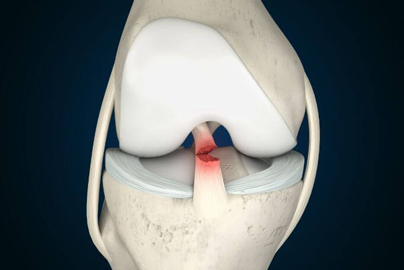
ACL Injury: Symptoms and Treatment
The Anterior Cruciate Ligament (ACL) is one of the most important stabilizing ligaments in the knee joint. ACL injuries are commonly seen in athletes and individuals involved in high-impact activities such as football, basketball, or running. Prompt diagnosis and proper treatment are essential to prevent long-term knee instability.
How ACL Injuries Occur
ACL injuries usually occur due to:
- Sudden twisting or pivoting movements
- Landing incorrectly after a jump
- Direct impact to the knee
- Rapid changes in direction during sports activities
These injuries may range from minor sprains to complete ligament tears.
Common Symptoms of an ACL Injury
Some of the most noticeable symptoms include:
- A sudden “popping” sensation in the knee at the time of injury
- Immediate swelling and pain
- Difficulty bearing weight on the affected leg
- Feeling of knee instability or giving way
- Reduced range of motion
Early medical evaluation is important to prevent further damage to surrounding structures such as cartilage or meniscus.
Treatment Options
Treatment for ACL injuries depends on the severity of the injury, age, and activity level of the patient.
Non-Surgical Treatment
For mild injuries or less active individuals:
- Physiotherapy and strengthening exercises
- Knee bracing for support
- Activity modification
Surgical Treatment
In cases of complete ligament tears or athletes wishing to return to sports, ACL reconstruction surgery may be recommended. This procedure replaces the damaged ligament with a graft and is followed by a structured rehabilitation program.
Recovery and Rehabilitation
Rehabilitation is crucial for restoring strength, balance, and joint stability. With proper physiotherapy and care, many patients successfully return to their normal activities and sports.