
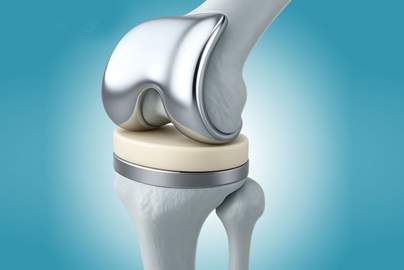
When Do You Need Knee Replacement?
Knee pain can significantly affect daily life, making simple activities such as walking, climbing stairs, or standing for long periods uncomfortable. While many knee conditions can be managed with medication, physiotherapy, or lifestyle changes, there are cases where knee replacement surgery becomes the most effective treatment. Understanding when surgery is necessary can help patients make informed decisions about their joint health.
Common Causes of Severe Knee Damage
Knee replacement is typically recommended when the joint has been severely damaged due to conditions such as:
- Osteoarthritis: The most common cause, where cartilage gradually wears away, leading to bone-on-bone friction.
- Rheumatoid Arthritis: An autoimmune condition causing chronic inflammation and joint damage.
- Post-traumatic Arthritis: Joint degeneration following previous injuries or fractures.
- Severe Joint Deformity: When the knee becomes visibly bowed or misaligned.
If these symptoms significantly affect quality of life, an orthopaedic evaluation may recommend knee replacement surgery.
Benefits of Knee Replacement Surgery
Modern knee replacement techniques are highly advanced and designed to restore function and reduce pain. Benefits include:
- Significant pain relief
- Improved mobility and joint stability
- Ability to return to daily activities
- Long-lasting results with modern implants
Conclusion
Knee replacement surgery is not the first step in treatment but may become necessary when other options fail to provide relief. Early consultation with an orthopaedic specialist can help determine the most suitable treatment plan and ensure better long-term outcomes.