
Best Joint Replacement Surgeon in Kharghar

Blog Image

Joint pain can gradually affect almost every part of daily life. Persistent knee or hip pain may make it difficult to walk, climb stairs, stand for long periods, exercise, or even sleep comfortably at night. Conditions such as osteoarthritis, rheumatoid arthritis, cartilage damage, avascular necrosis, previous injuries, and advanced joint degeneration can cause progressive pain and stiffness. When medicines, physiotherapy, lifestyle modifications, Injections, or other non-surgical treatments no longer provide adequate relief, consulting an experienced Joint Replacement Surgeon in Kharghar, Navi Mumbai can help determine whether joint replacement surgery may be appropriate after a detailed medical evaluation.

Dr. Rahul Gupta, MBBS, DNB (Orthopaedics), MNAMS, is an experienced Best Joint Replacement Surgeon in Kharghar, Navi Mumbai providing comprehensive evaluation and surgical treatment for patients with advanced knee and hip joint conditions. He specializes in joint replacement, arthroplasty, and orthopaedic care, with treatment planned according to each patient’s symptoms, clinical examination, imaging findings, overall health, activity level, and individual expectations. His approach focuses on selecting the most appropriate treatment option while considering the patient's mobility, comfort, and long-term functional goals.

Depending on the severity and type of joint damage, treatment may include total or partial knee replacement, hip replacement, or revision joint replacement. A consultation with a Best Joint Replacement Surgeon in Kharghar may be recommended when conditions such as severe osteoarthritis, rheumatoid arthritis, post-traumatic arthritis, avascular necrosis, or significant joint damage cause persistent pain and difficulty with walking, standing, or everyday activities despite conservative treatment. A detailed assessment helps determine the extent of joint damage and whether surgical or non-surgical treatment is the most suitable option.

The goal of Joint Replacement surgery is to relieve chronic pain, restore Joint Function, improve mobility, and help patients return to their daily activities more comfortably. At Prohealth Bone and Joint Speciality Clinic, treatment is supported by structured physiotherapy and rehabilitation, allowing patients to receive coordinated care from evaluation through recovery. Patients looking for a Joint Replacement Surgeon in Kharghar, Navi Mumbai can undergo a comprehensive orthopaedic assessment to understand their condition, available treatment options, expected outcomes, and rehabilitation requirements. The recommended treatment is based on individual needs, joint condition, overall health, and lifestyle.

Conditions Treated

Dr.Rahul Gupta is an experienced [Orthopaedic Surgeon/Joint Replacement Surgeon] specializing in the evaluation and treatment of conditions affecting the knee and hip. With qualifications including [MBBS, MS/DNB Orthopaedics, Fellowship], Dr.Rahul Gupta has received specialized training in Joint Replacement and related orthopaedic procedures.

The doctor's practice focuses on understanding the underlying cause of joint pain before recommending treatment. Every patient may have different symptoms, medical conditions, activity requirements, and expectations, so the treatment plan is developed according to individual clinical needs.

Dr.Rahul Gupta provides consultation for patients with advanced arthritis, joint degeneration, cartilage damage, severe knee pain, hip pain, avascular necrosis, joint deformities, and problems associated with previous joint replacement surgery. Where clinically appropriate, treatment options may include total joint replacement, partial replacement, revision surgery, or technology-assisted procedures.


Symptoms

You may require joint replacement if you experience:

You may require joint replacement if you experience persistent symptoms that significantly affect your mobility and quality of life. Consultation with the Best Joint Replacement Surgeon in Kharghar can help determine whether your symptoms are related to advanced joint damage and whether surgical treatment may be appropriate.Joint replacement surgery may be considered when a damaged or severely worn joint causes persistent pain, stiffness, and difficulty performing everyday activities. It is most commonly performed for the hip and knee, although replacement surgery can also be performed on the shoulder and other joints. The decision to undergo joint replacement depends on the severity of joint damage, symptoms, medical history, and response to non-surgical treatments

Persistent Joint Pain

One of the most common symptoms is ongoing pain in the affected joint. Pain may occur while walking, standing, climbing stairs, sitting, or performing routine activities. In advanced joint disease, pain may also occur while resting or sleeping. If pain continues despite medications, physiotherapy, lifestyle changes, or other conservative treatments, consulting a Best Joint Replacement Surgeon in Kharghar, Navi Mumbai can help determine whether Joint Replacement is appropriate based on the severity of joint damage and the patient’s overall health.

Severe Joint Stiffness

Stiffness can make it difficult to move the joint normally. People may experience difficulty bending or straightening the knee, moving the hip, or performing activities that require a normal range of motion. Morning stiffness or stiffness after sitting for a long time can also become increasingly troublesome. An evaluation by a Best Joint Replacement Surgeon in Kharghar can help identify the underlying cause of stiffness and determine whether surgical or non-surgical treatment may be suitable.

Difficulty Walking or Moving

Advanced arthritis and joint damage can significantly affect mobility. Patients may find it difficult to walk for longer distances, climb stairs, stand for extended periods, or get in and out of a chair. Some people may begin relying on a walking stick, walker, or other support because of pain and instability. If mobility continues to decline despite conservative treatment, a Best Joint Replacement Surgeon in Navi Mumbai may assess the condition through clinical examination and appropriate imaging to determine the next step in treatment.

Reduced Ability to Perform Daily Activities

When joint problems begin interfering with everyday activities, treatment may need to be reconsidered. Tasks such as bathing, dressing, shopping, cooking, driving, exercising, or doing household work may become difficult. A significant decline in quality of life is an important factor when evaluating the need for joint replacement. Consulting an experienced Best Joint Replacement Surgeon in Kharghar, Navi Mumbai can help patients understand their treatment options and whether knee or hip replacement may help improve mobility and daily function.


Causes

Common causes leading to joint replacement include:

Joint replacement surgery is usually recommended when a joint becomes severely damaged and causes persistent pain, stiffness, and difficulty performing everyday activities. The most common cause is osteoarthritis, a degenerative condition in which the protective cartilage between bones gradually wears away. This can lead to bone-on-bone contact, inflammation, pain, and reduced joint movement. An evaluation by a Best Joint Replacement Surgeon in Kharghar, Navi Mumbai can help determine the extent of joint damage and whether joint replacement may be appropriate.

Rheumatoid arthritis is another important cause. This autoimmune condition can cause chronic inflammation that damages cartilage, bone, and other joint tissues. Over time, the joint may become severely deformed and lose its function. Severe joint injuries or fractures can also result in permanent damage. Previous trauma, sports injuries, or accidents may damage the joint surface and eventually lead to arthritis requiring replacement. A Best Joint Replacement Surgeon in Kharghar can assess these conditions and recommend an appropriate treatment approach based on the severity of joint damage.


Conditions That May Require Joint Replacement

Several conditions can progressively damage the knee or hip and eventually lead to significant pain and functional limitations. Osteoarthritis is one of the most common causes of advanced joint degeneration. As cartilage wears away, patients may experience pain, stiffness, swelling, reduced movement, and difficulty performing everyday activities.Rheumatoid arthritis and other inflammatory joint conditions can also cause progressive damage to the joint surfaces. Avascular necrosis is another important condition, particularly affecting the hip, in which reduced blood supply can result in bone damage and collapse of the joint surface.Previous fractures, serious injuries, congenital or acquired deformities, and other forms of advanced joint damage may also result in the need for joint replacement. Patients who have already undergone joint replacement may sometimes develop complications such as implant loosening, wear, instability, infection, or fracture around the implant and may require revision surgery.


Benefits

Types of Joint Replacement Surgery

Joint replacement is not one single procedure. The type of surgery depends on the affected Joint, severity and location of damage, patient's age and health, activity requirements, and other clinical factors.


Total Knee Replacement

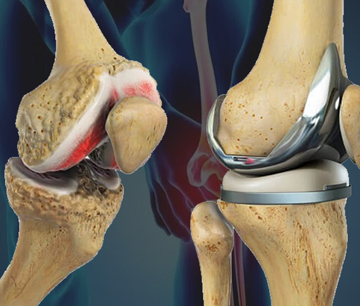
Total knee replacement is performed when significant damage affects multiple areas of the knee joint. During the procedure, damaged joint surfaces are removed and replaced with prosthetic components. The aim is to reduce pain and improve the functional movement of the knee.A total knee replacement may be considered for patients with advanced knee osteoarthritis or other conditions causing severe joint damage and persistent symptoms.

Partial Knee Replacement

Partial knee replacement may be an option for carefully selected patients whose arthritis is limited to one compartment of the knee and whose remaining joint structures are suitable for the procedure. Instead of replacing the entire knee, only the damaged portion is addressed.Whether partial knee replacement is appropriate depends on factors such as the location and extent of arthritis, ligament condition, knee alignment, and overall joint health.


Total Hip Replacement

Total hip replacement is commonly performed for patients with advanced hip joint damage caused by conditions such as osteoarthritis, avascular necrosis, inflammatory arthritis, or certain fractures. The damaged portions of the hip are replaced with artificial components.The procedure is intended to reduce pain and improve hip function, allowing patients to gradually resume appropriate daily activities following recovery and rehabilitation.

Frequently Asked Question

1. When should I consider joint replacement surgery?

Joint replacement may be considered when severe joint pain, stiffness, or reduced mobility significantly affects daily activities and non-surgical treatments no longer provide sufficient relief.

2. What joints can be replaced by a joint replacement surgeon?

Common joint replacement procedures include knee replacement, hip replacement, shoulder replacement, and other specialized joint replacement surgeries, depending on the patient's condition.

3. Who is a suitable candidate for knee or hip replacement?

Patients with advanced arthritis, severe joint damage, persistent pain, difficulty walking, or significant loss of joint function may benefit from joint replacement after evaluation by an orthopedic surgeon.

4. What is the difference between partial and total knee replacement?

A partial knee replacement treats damage limited to one part of the knee, while a total knee replacement replaces the damaged surfaces of the entire knee joint. The appropriate option depends on the extent and location of joint damage.

5. How long does joint replacement surgery take?

The duration varies depending on the joint and complexity of the procedure. Many routine knee and hip replacement surgeries take approximately one to two hours, although individual cases can differ.

6. How long does it take to recover after joint replacement surgery?

Recovery varies from person to person. Physiotherapy and gradual activity are important parts of rehabilitation. Many patients progressively return to normal daily activities over several weeks, while complete recovery can take longer.

7. Is physiotherapy necessary after joint replacement surgery?

Yes. Physiotherapy plays an important role in improving joint movement, muscle strength, balance, and functional recovery after joint replacement.

Book a consultation with Dr. Rahul Gupta for diabetic foot evaluation and treatment in Kharghar

Are You Looking for Best Orthopedic Doctor in Kharghar or Near By Areas

Kamothe| Nerul| Taloja| Kalamboli| CBD Belapur| Panvel| Nerul| Khandeshwar| Seawoods| Ulwe